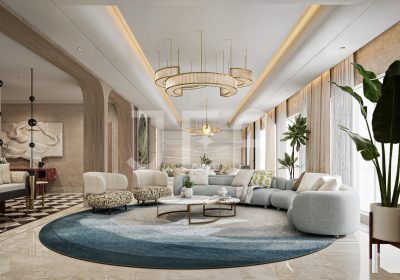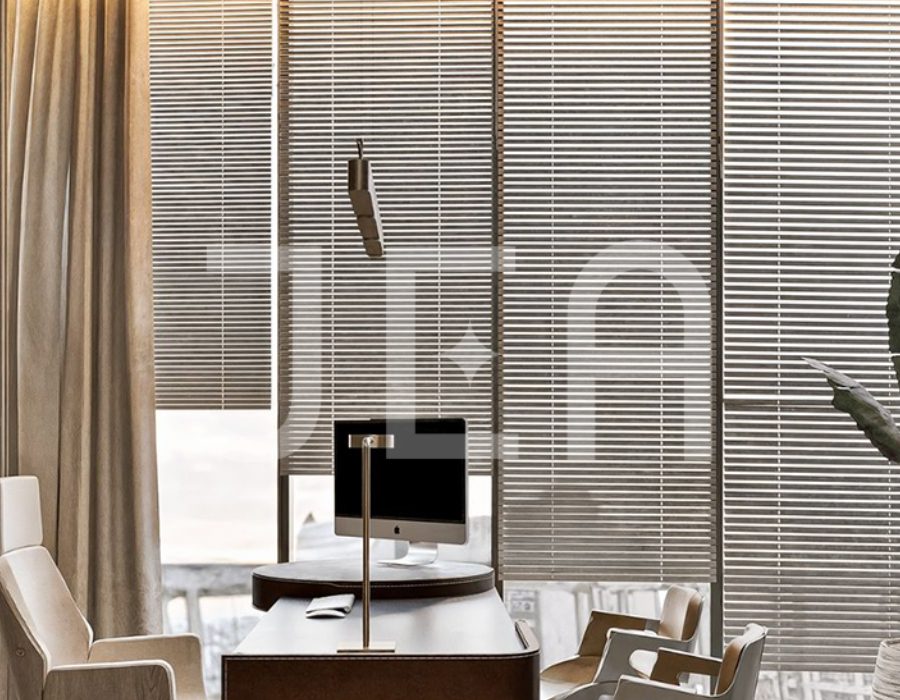
Modern office interior design boosts productivity through Activity-Based Working (ABW), acoustic zoning, and biophilic ergonomics. Successful spaces divide the floor plan into four key zones: quiet deep-focus libraries, collaborative workshop commons, soundproof meeting pods, and hospitality cafés. Incorporating circadian lighting (4000K daylight shifting to 2700K evening), acoustic ceiling baffles (NRC > 0.85), and ergonomic sit-stand desks increases employee focus and reduces cognitive fatigue by up to 20%.
Why Modern Office Interior Design is a Competitive Advantage
The contemporary corporate office Office Interior has evolved from a simple container of workstations into a strategic instrument for talent attraction, organizational culture, and high-output innovation.
According to the Gensler Global Workplace Survey, top-performing workplaces that balance collaborative zones with private focus sanctuaries report 21% higher employee satisfaction and 18% greater innovation output.
In an era of flexible hybrid work schedules, the physical office must offer an experience superior to working from home. It must eliminate noise distractions, promote effortless team collaboration, and foster physical well-being.
Activity-Based Working (ABW): Spatial Zoning Framework
The traditional model of assigning every employee a permanent desk is inefficient, with average desk occupancy rates hovering at just 50–60%. Modern floor plans implement Activity-Based Working (ABW), offering diverse micro-environments tailored for specific cognitive tasks.
The 4 Essential Functional Zones:
- The Deep-Focus Silent Library: Dedicated quiet desks with acoustic fabric privacy shields. Zero phone calls or casual conversations; minimum 50-inch separation between desks.
- The Collaborative Team Commons: Mobile modular seating, floor-to-ceiling magnetic glass whiteboards, and height-adjustable standing workshop tables positioned near perimeter windows.
- Hybrid Meeting Pods & Phone Booths: Soundproof 1-to-2 person acoustic glass booths with integrated ring lighting and 100W USB-C docking hubs for uninterrupted video calls.
- The Social Café & Town Hall: Tiered stadium seating, hospitality-grade espresso bar, and warm acoustic wood slats for all-hands gatherings and informal collaboration.
Acoustic Engineering: Eliminating Cognitive Friction
Acoustic distraction is the number-one complaint in modern office environments. Solving acoustics requires a balance of sound absorption (reducing echo) and sound isolation (blocking noise transfer).
| Acoustic Application | Recommended Material | Target NRC / STC Rating | Functional Impact |
| Ceiling Baffles | Recycled PET felt / Micro-perforated timber | NRC 0.85 – 0.95 | Traps upward vocal reverberation |
| Wall Cladding | Acoustic fluted fabric panels | NRC 0.75 – 0.85 | Eliminates lateral flutter echoes |
| Flooring | Cushion-backed modular carpet tiles | NRC 0.35 – 0.50 | Absorbs footfall and rolling chair noise |
| Meeting Partitions | Double-glazed laminated glass + drop seals | STC 45 – 50 dB | Keeps boardroom conversations confidential |
Ergonomics & Physical Well-Being
- Dual-Motor Sit-Stand Desks: Provide smooth height adjustments from 24 to 50 inches with anti-collision safety sensors.
- Dynamic Task Chairs: Certified BIFMA/EN1335 seating featuring self-adjusting lumbar mechanisms, 4D armrests, and breathable mesh backrests.
- Articulated Monitor Arms: Position screens at eye level (top third of screen aligned with horizontal sightline) at an arm’s length distance to prevent neck strain.
Circadian & Biophilic Lighting Architecture
Implement automated DALI-controlled tunable LED fixtures that shift throughout the workday:
- Morning (09:00–13:00): 4500K–5000K crisp daylight to promote alertness and suppress morning fatigue.
- Afternoon (13:00–16:00): 3500K–4000K neutral white for sustained cognitive focus.
- Late Afternoon / Evening (16:00+): 2700K–3000K warm white to reduce eye strain and assist healthy evening wind-down.
Frequently Asked Questions
1. What is the most effective office layout for hybrid working teams?
An Activity-Based Working (ABW) layout with a 60:40 desk-to-employee ratio. This setup replaces fixed assigned desks with flexible neighborhood desks, acoustic phone booths for video calls, open collaboration lounges, and quiet focus areas.
2. How does office acoustic design impact team productivity?
Uncontrolled ambient noise can reduce cognitive performance by up to 66%. Installing ceiling acoustic baffles, fabric wall panels, and high-STC meeting room glass eliminates background chatter, allowing employees to maintain deep concentration.
3. What is the ideal lighting temperature for a corporate office?
A dynamic circadian tunable system is ideal, shifting from 5000K cool white in the morning for alertness to 4000K neutral white at midday, and dropping to 2700K warm white in the late afternoon to prevent eye fatigue.